Distilled water finds many uses in everyday life, for example, as cooling water in the car or steam iron. It is reputed to be purer than tap water, which is why it is also used in cleanliness analysis in the laboratory with distilled water. Residues in the water would contaminate the samples during the analysis and falsify the results. Before we use distilled water for our analyzes, we first filter out the residues to guarantee error-free results.
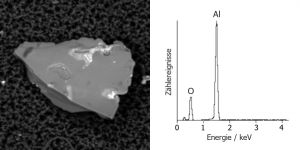
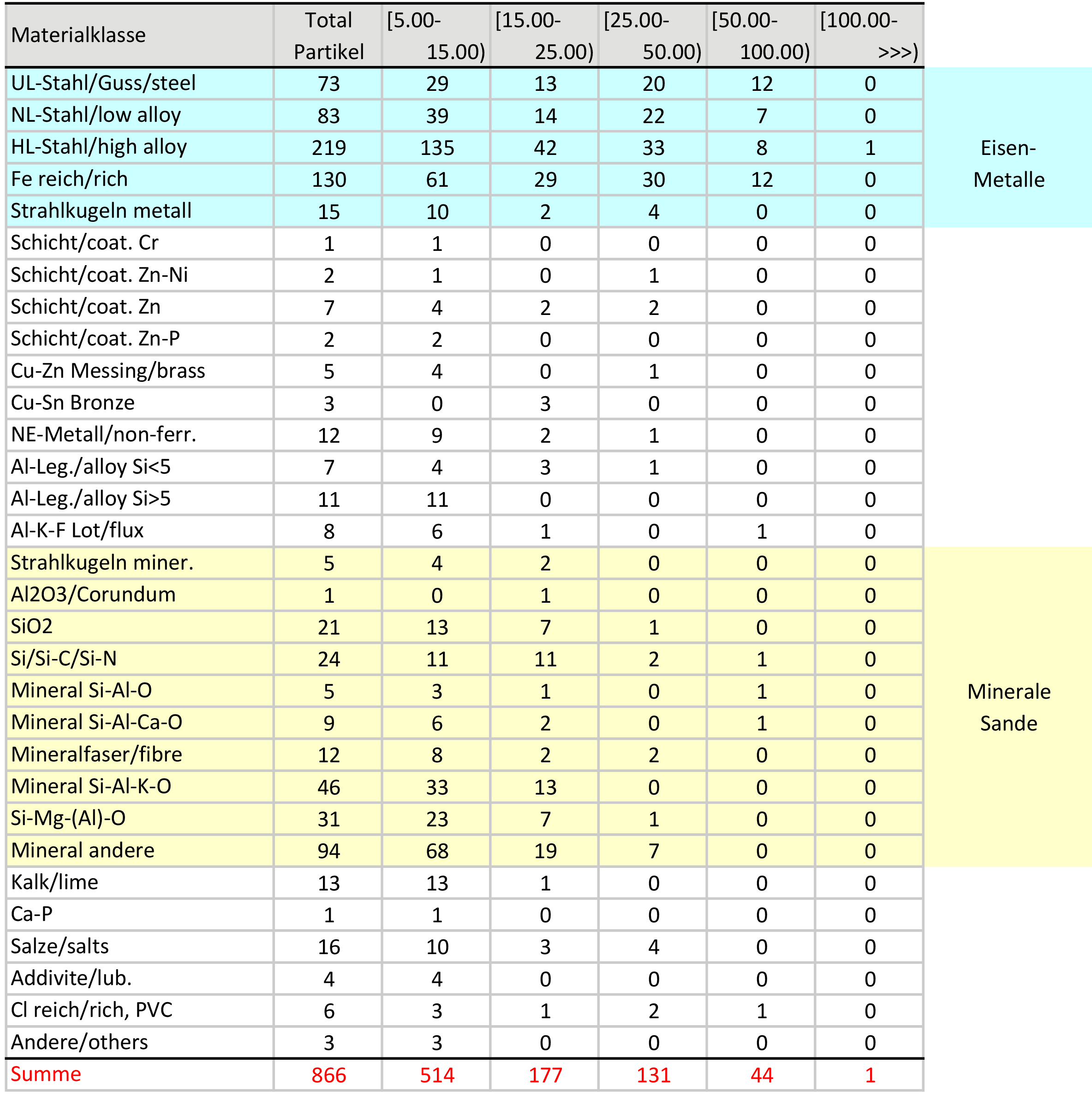
We randomly tested how pure distilled water actually is when it was delivered. For this purpose, we filtered the water through a 0.4 μm pore membrane. The filter was subsequently scanned with a fully automatic scanning electron microscope with X-ray element analysis (SEM-EDX). In ten liters of distilled water we were able to detect various inorganic residual particles up to a size of more than 100 μm (see figure). Among them were a large number of particles of high-alloy steel (HL steel), presumably of the type 18/10 Cr/Ni steel, and residues of a low-alloy steel (NL steel) of the type 100Cr6. In addition, a significant burden of mineral particles and sands was found.
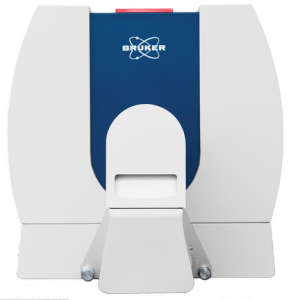
Find out about the SEM-EDX systems from FEI-Aspex as well as our accredited analysis service.